In the digital age, it's no longer a fantasy for a piece of content or a campaign to reach millions of people overnight. This phenomenon, known as "going viral," is one of the most powerful and sought-after achievements in marketing. At its core, viral marketing is the modern, digital form of "word-of-mouth." It operates on the principle of an idea, video, or message spreading exponentially as users voluntarily and rapidly share it with their own networks.
The foundation of this strategy is content that captivates the target audience, evokes a strong emotion, and is deemed "worth sharing." When successful, viral marketing can generate massive brand awareness and reach at a fraction of the cost of traditional advertising. But how is this effect created, and how can a campaign be engineered to go viral? In this comprehensive guide, we will explore the dynamics, strategies, and successful examples of viral marketing in depth.
What Exactly is Viral Marketing?
Viral marketing is a technique where information about a product, service, or brand identity spreads like a virus, passed from person to person through sharing. In traditional marketing, the message flows in one direction: from the brand to the consumer. In viral marketing, the consumers themselves become the carriers and distributors of the message.
The success of this strategy depends on a metric known as the "viral coefficient" (or K-factor). This coefficient measures how many new people an existing user brings to the content and, in turn, how many people those new users reach. If each new user introduces the content to more than one other person (K > 1), the campaign has the potential for exponential growth.
What are the Core Characteristics of Viral Marketing?
While every viral campaign is unique, the ones that succeed share several common characteristics:
- High Shareability
The content must be easy to share, whether on social media platforms, through messaging apps, or via email.
- Strong Emotional Connection
The primary reason people share content is because it makes them feel something. This emotion can be humor, awe, inspiration, anger, happiness, or nostalgia. A strong emotional trigger activates the impulse to share.
- Rapid and Exponential Growth
Viral campaigns don't start slowly. They typically explode over a short period (hours or days) and then enter a natural cool-down phase.
- Low Cost, High Return
Because the target audience does the heavy lifting of distribution, the cost per reach (CPM) is significantly lower than traditional media buys.
- Unexpected and Original
Most viral content is "outside the box," surprising, or presents an approach that hasn't been seen before. Imitations rarely perform as well as the original.
The Psychology Behind Going Viral: Why Do People Share?
Algorithms don't make content viral; human psychology does. Why do people feel the need to share? The principles popularized by Wharton School Marketing Professor Jonah Berger in his book "Contagious" help us understand this impulse:
- Social Currency: People love to share things that make them look smart, in-the-know, or cool. The content they share reflects on their personal image.
- Triggers: Content that is tied to everyday events or objects is remembered more often and thus shared more often.
- Emotion: Not all emotions are created equal. Virality is often triggered by "high-arousal" emotions. Awe, excitement, joy, and even anger drive more sharing than low-arousal emotions like sadness.
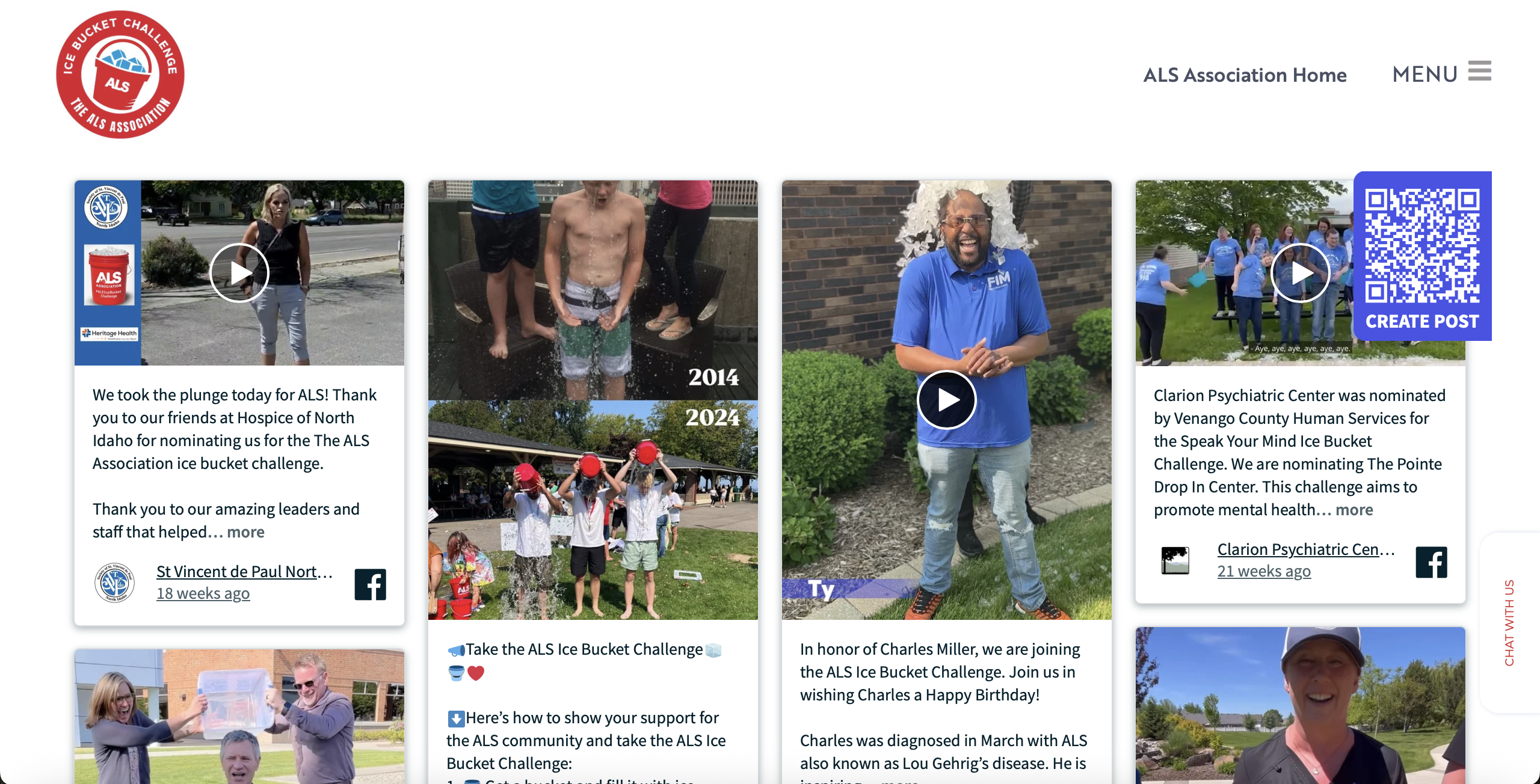
- Public: The more visible a behavior is, the more likely it is to be imitated. The "ALS Ice Bucket Challenge" is a perfect example, as participation was done publicly.
- Practical Value: People want to help others. Content that offers useful tips, life hacks, or valuable information is shared because it provides practical value.
- Stories: Embedding your brand message into a compelling narrative like a "Trojan Horse" ensures the message spreads along with the story.
How to Create a Successful Viral Marketing Strategy
While there is no guaranteed formula for going viral, you can significantly increase your chances of success with the right strategy and planning. This is part of a comprehensive digital marketing strategy guide, not just a shot in the dark.
Here is a step-by-step process for building a viral campaign:
- Deeply Understand Your Audience
Knowing who you're talking to is the first step in understanding which emotional triggers will work. Focus less on demographics and more on psychographics: What do they laugh at? What do they care about? Which social media platforms do they live on? Creating a detailed persona is critical at this stage. - Define a Strong "Big Idea" (The Core Concept)
What is at the heart of your content? You must have a single, powerful message. This message should have a connection to your brand, even if indirect, but it shouldn't feel like an ad. The goal isn't to sell a product; it's to tell a story or provide an experience. - Choose the Right Content Format
Video is the most common and effective format for viral campaigns (e.g., YouTube, TikTok, Instagram Reels). However, a viral effect can also be achieved with an interactive website, a quiz, an image (meme), a challenge, or even creative text. - Clarify the Emotional Trigger
What single emotion will your content leave the viewer with? Humor is one of the most universal triggers. However, content that is inspiring, shocking, or touches on a relevant social issue also has a high potential for sharing. - Strategic "Seeding"
Creating the content and hitting "publish" is not enough. You need to provide the initial spark. This could mean sharing the content in relevant social media groups, forums, or leveraging influencer marketing to kickstart the spread. - Make Sharing Effortless
If people like your content, make it as simple as possible for them to share it. Place social media share buttons in obvious locations. Allow your videos to be embedded. Remove all friction. - Measure and Be Prepared
Define the right KPIs (Key Performance Indicators) to track your campaign's success. Closely monitor metrics like share count, views, comments, brand mentions, and website traffic. If the campaign goes viral, be prepared to handle the increased attention (website traffic, customer service inquiries).
The Initial Spark: The Critical Role of Strategic "Seeding"
Even the most creative content can't go viral if it doesn't reach the right people first. Hitting "publish" and praying for a miracle is not a strategy. "Seeding," the process of manually kickstarting your content's initial distribution, often determines the campaign's fate.
- Micro and Macro Influencers: Collaborate with individuals your target audience trusts. Their goal shouldn't be to "promote a product" but to "spread the content."
- Relevant Communities: Organically share your content in niche communities like Reddit, Facebook Groups, LinkedIn Groups, or private forums. (Avoiding the appearance of spam is vital).
- Paid Media Support: Boost your content with a small paid ad budget (e.g., Meta Ads, TikTok Ads) in the first 24 hours to gain initial traction and get the algorithm's attention.
- Press and Media: If your content has a newsworthy angle (e.g., it contains a social message or interesting data), proactively reach out to relevant journalists and bloggers. Successful seeding can multiply a campaign's organic reach potential.
Effective Tactics and Methods in Viral Marketing
There are many different approaches to creating a viral effect. The most common include:
- Video Content
Short videos that tell memorable, funny, or emotional stories have the highest viral potential.
- Challenges
Especially popular on TikTok and Instagram, this method involves a brand starting a trend and inviting users to participate with their own content.
- Memes and GIFs
Humorous, quickly consumed, and easily shareable visuals that blend a brand's message with pop culture.
- Interactive Tools and Quizzes
Content where users get a personalized result (e.g., "Which character are you?" quizzes) has a high share rate as people want to share their results.
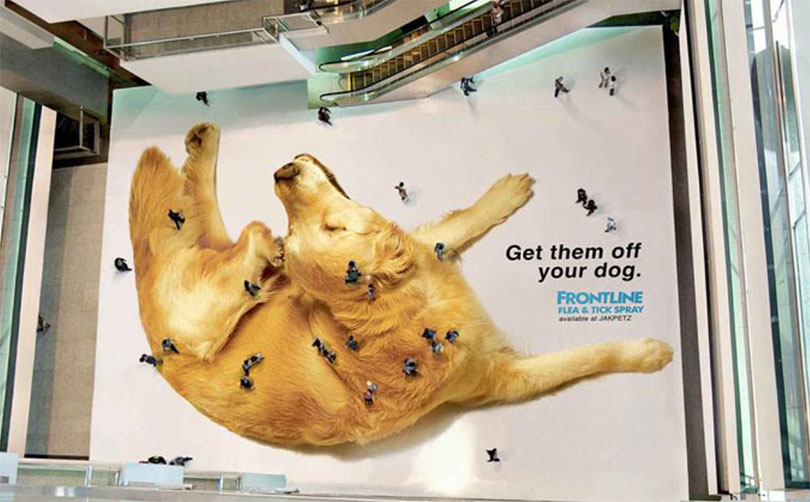
- Guerilla Marketing
Unexpected and creative offline actions in surprising places that generate online buzz and conversation.
Advantages and Potential Risks of Viral Marketing
Like any powerful strategy, viral marketing has both massive rewards and significant potential risks.
Advantages
- Massive Brand Awareness: You can reach millions of people in a very short time, putting your brand on the map.
- Low-Cost Reach: A successful viral campaign provides enormous reach for a budget far smaller than traditional advertising.
- High Credibility and Trust: Because the message comes from friends, family, or trusted figures rather than the brand itself, it is perceived as more credible and authentic.
- Rapid Growth: When structured correctly, it can accelerate lead generation and sales processes.
Disadvantages and Risks
- Loss of Control: Once content goes viral, you lose control over the message. Users can interpret it, change it, or parody it as they see fit.
- Negative Backlash: If the campaign is misunderstood or perceived as insensitive, the viral effect can turn negative, leading to a brand crisis.
- Short Lifespan: Most viral campaigns burn brightly and fade quickly. This sudden popularity must be managed correctly to create a long-term impact.
- Difficult to Measure: Attributing the success directly to ROI (Return on Investment) can be challenging, especially if the primary goal is brand awareness.
Unforgettable Viral Marketing Examples
To understand the power of viral marketing, it helps to look at a few classic examples:
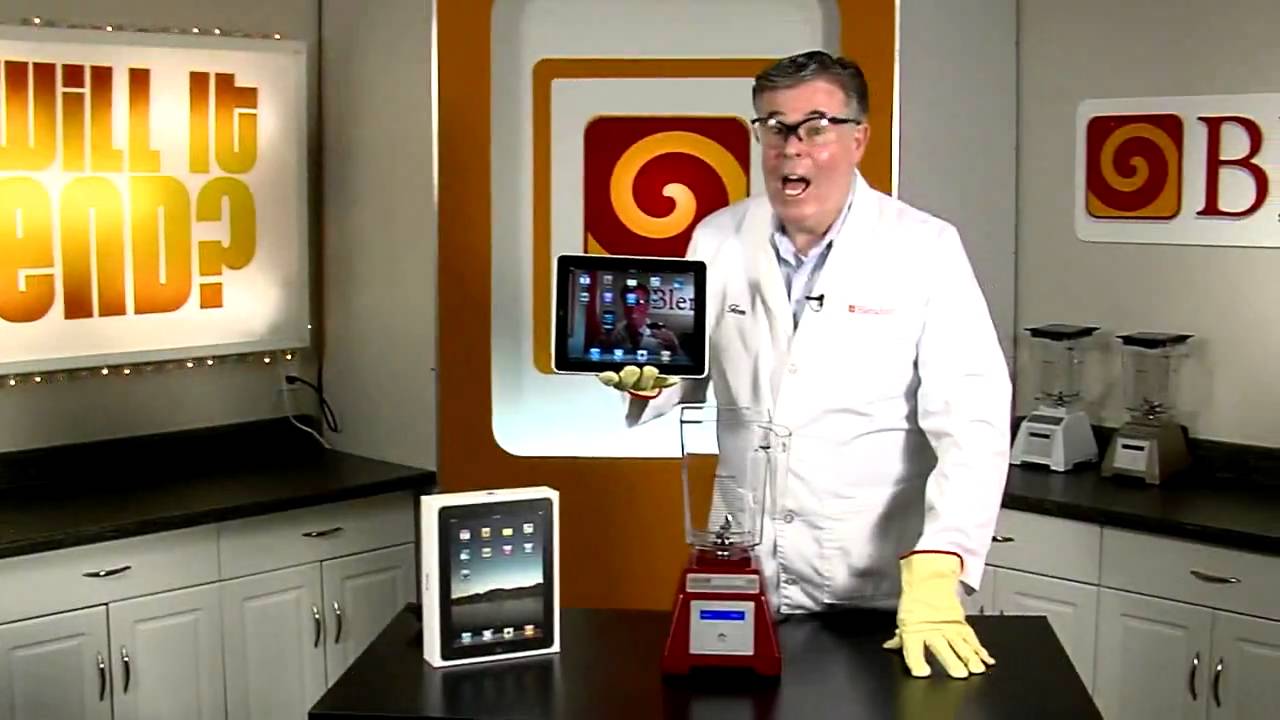
- Blendtec - "Will It Blend?"
This is one of the oldest and most successful examples of viral marketing. The company's founder took a potentially boring product demo (a blender) and turned it into a show by asking, "Will it blend?" with items like iPhones, golf balls, and shoes. These humorous, surprising videos, which clearly demonstrated the product's power, were viewed millions of times and catapulted the company's sales.
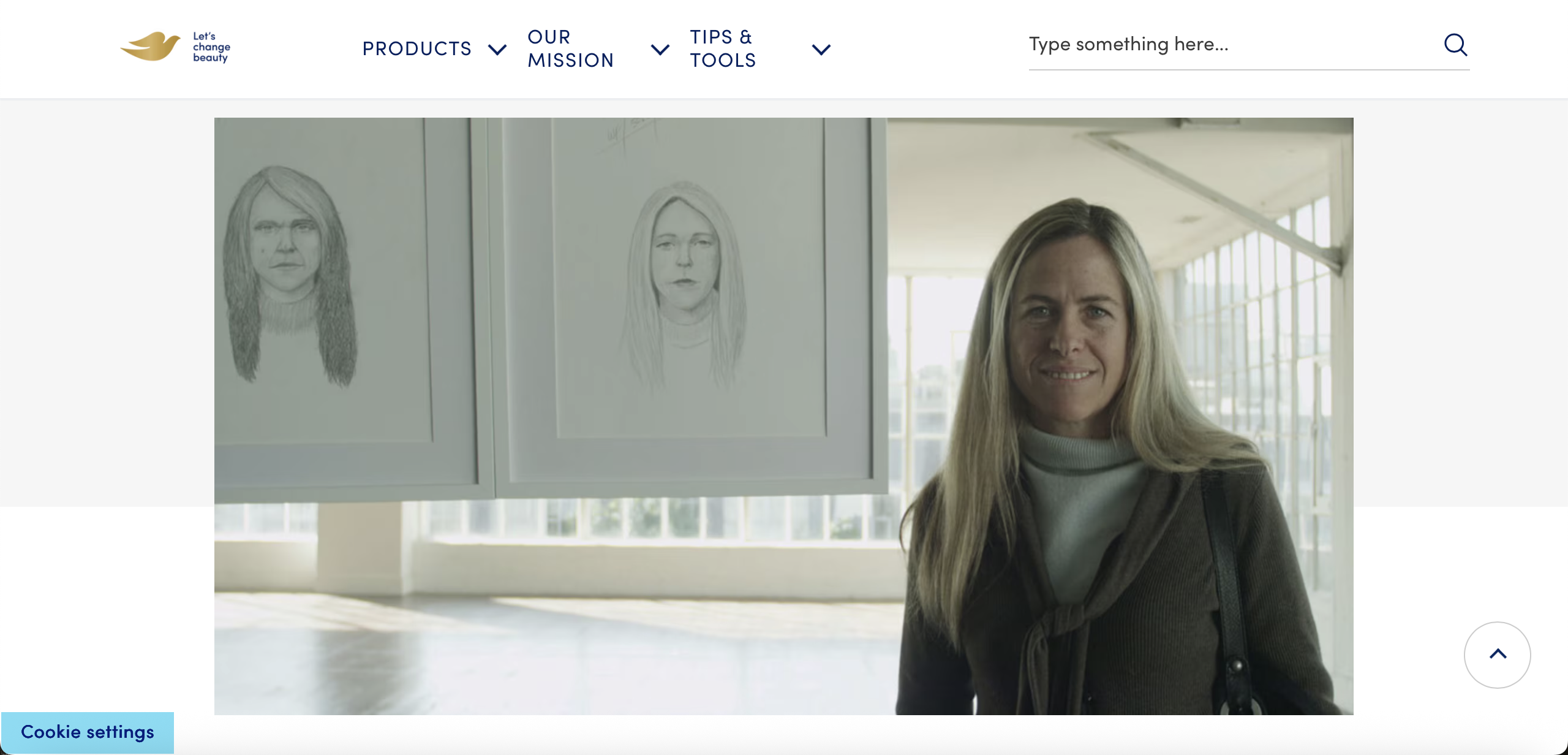
- Dove - "Real Beauty Sketches"
Dove chose to connect on an emotional level. The campaign had a forensic artist draw portraits of women, first based on their own self-descriptions, and then based on descriptions from a stranger. The result showed that the portraits based on the strangers' descriptions were far more beautiful and accurate. This powerful emotional message was shared millions of times globally and perfectly aligned with the brand's "real beauty" mission.
Modern Viral Marketing Examples
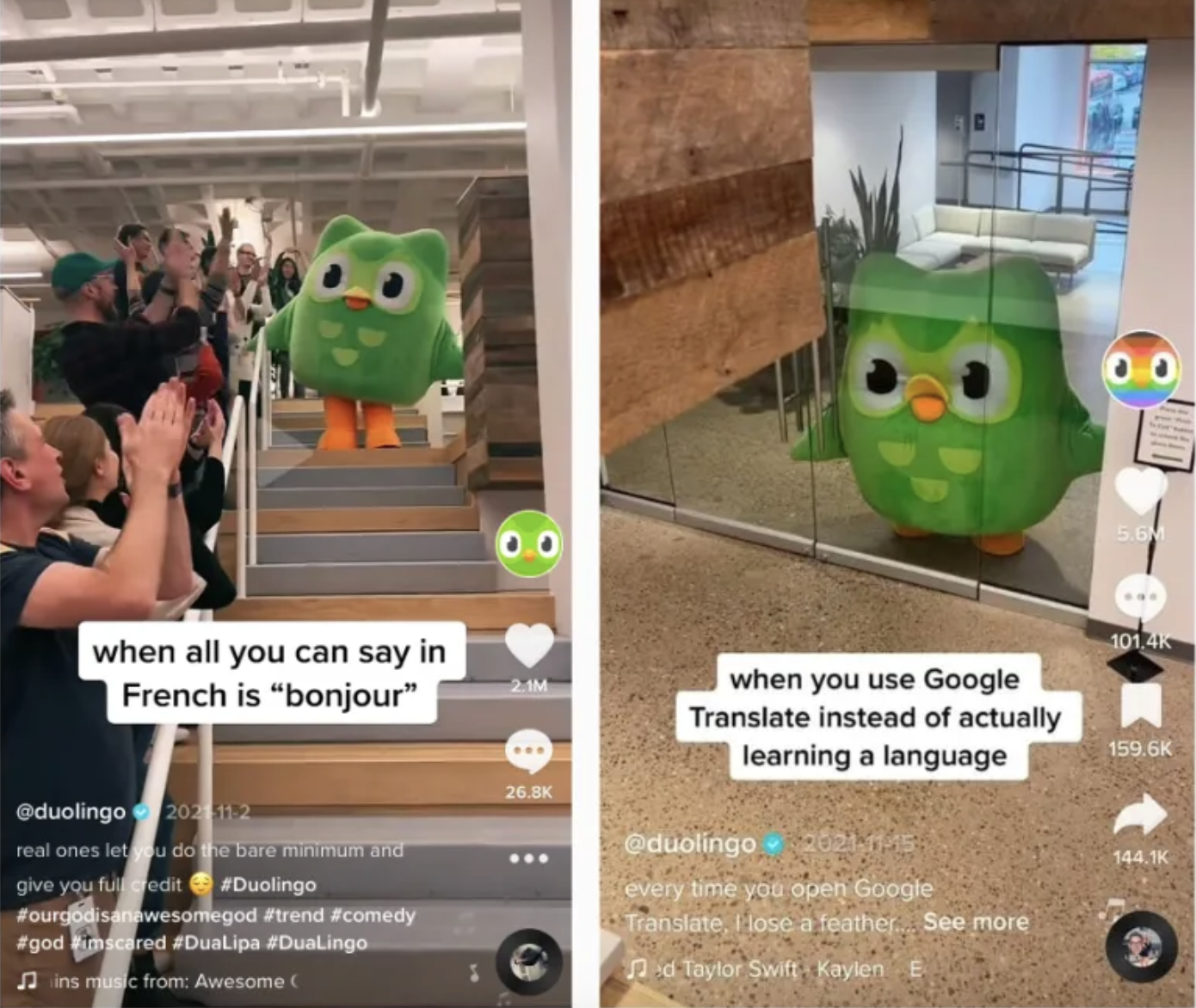
- Duolingo (TikTok Brand Personality)
Duolingo's TikTok account, featuring the "Duo" the owl mascot, is proof that viral marketing can be an ongoing "personality" rather than a single "campaign." The account uses low-production, authentic videos to hop on popular trends, make witty (and sometimes unhinged) comments on other brands' posts, and interact directly with users. The core product (language learning) is in the background, while "brand love" is front and center, earning millions of likes and shares.
- The Barbie Movie (Creating a Cultural Moment)
The marketing campaign for the 2023 Barbie movie went beyond "viral" to create a global cultural moment. Its success came not from one video, but from an integrated strategy:
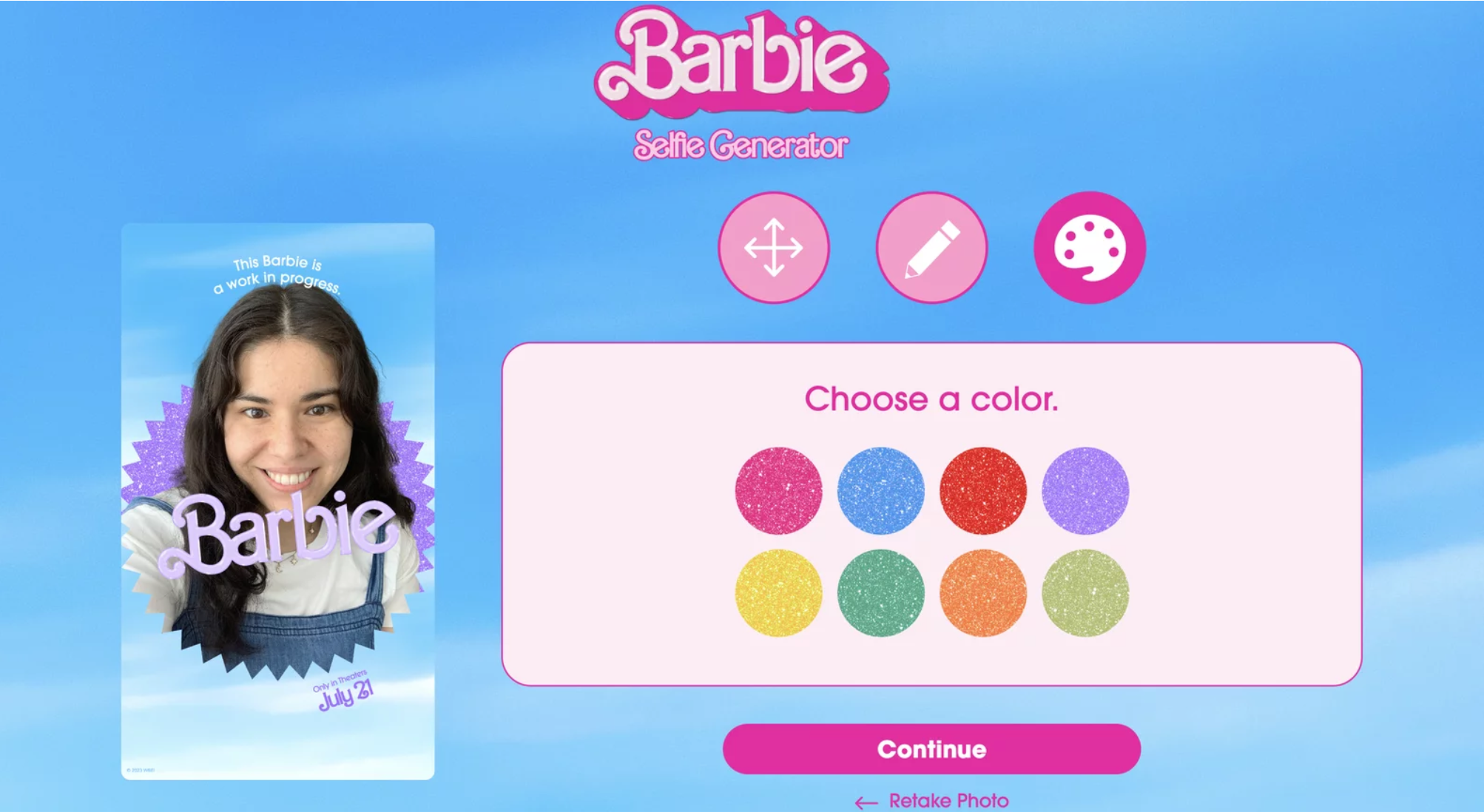
- User Participation: The "Barbie Selfie Generator" tool allowed millions of people to turn their own photos into Barbie posters and share them on social media—a masterpiece of user-generated content (UGC).
- Strategic Partnerships: Collaborations with hundreds of brands, from Airbnb (Barbie's DreamHouse) to Xbox, made Barbie visible everywhere.

- Meme Culture: The film became a "meme" in its own right before its release, embraced and spread by internet culture.
This campaign was a perfect blend of seeding, emotional connection (nostalgia), and participation.
Conclusion: Viral Success is Strategy, Not Luck
While viral marketing may seem like the "holy grail" of the digital world, its foundation is built on far more than just luck. Success comes from a combination of deep audience understanding, creativity, perfect timing, and strong strategic planning.
It's impossible to guarantee that a piece of content will go viral, but it is absolutely possible to create content that has viral potential. The key is to offer value, evoke an emotion, and tell a story that people want to talk about. When executed correctly, a viral campaign has the power to propel your brand not just one step, but miles ahead, becoming one of the most valuable parts of your overall digital marketing efforts.